


Lentils receive their scientific name, Lens culinaris, from their curved lens-shaped seed. They are a type of legume that is native to Western Asia and North America. Lentils are one of the earliest domesticated crops, seen in the diets of ancient Rome and Egypt. Many countries enjoy lentils as a dietary staple, as they offer an earthy, mild, nutty flavor that works well in various recipes. You basically can’t go wrong adding them to veggie burgers, side dishes like salads, soups, stews, dips or spreads.

yellow lentils
This mineral is stored mainly in our bones and in major organs including the liver, kidney, and pancreas. Manganese plays a role in maintaining normal blood sugar level, and helps protect against free-radical damage. You don’t need to soak dry lentils overnight in water, unlike many other beans. Lentils are high in protein, which helps build and maintain your muscles, bones and skin.
anticancer activity
When you buy lentils, look for uncracked discs that have not been exposed https://unimeal-app.reviews/ to dust or moisture. You can buy lentils in pre-packed containers (like bags or boxes), but many stores also sell lentils in the bulk section so you can buy only the amount needed. However, the organization acknowledges that the wide variety of lentils can make clinical recommendations and guidelines challenging. This Sicilian Lentil, Vegetable, and Pasta Soup is best served hot, straight from the slow cooker.
Health Promoting Effects of Lentils
Research suggests that regularly eating lentils may help with the management and prevention of diabetes. Lentils may help improve blood sugar levels and lipid metabolism in both diabetic and healthy individuals. The high fiber, manganese, and flavonoid content may play an important role in why lentils help people with diabetes. Lentils are legumes that are related to beans, soybeans, peanuts, and chickpeas. They come in various colors, including brown, red, yellow, green, orange, and black. While each type of lentil may have some unique antioxidants, all lentils contain many helpful nutrients.
Our food team shares tips, techniques and their all-time favourite recipes in our lively weekly podcast. Choose fish, poultry, beans, and nuts; limit red meat and cheese; avoid bacon, cold cuts, and other processed meats. The glycemic load (GL) of lentils (yellow) is equal to 19.6, which classifies it as a medium GL food.
With the information above, you can explore the endless ways to cook and enjoy lentils while adding protein and rich nutrients to your diet. Research, including human studies and animal studies, suggests that lentils have antioxidant activity that may protect against chronic diseases. Lentils add protein to your diet, providing an excellent alternative to meat.
Types of Lentils and Their Uses
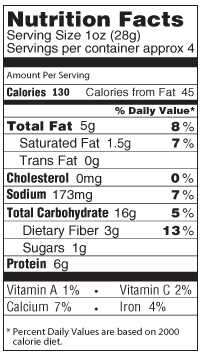
Split yellow lentils should be stored in an airtight container in a cool, dry, and dark place, like a pantry or cupboard. There is no need to refrigerate or freeze dried lentils; proper storage conditions at room temperature are sufficient to maintain their quality and extend their shelf life. 1 serving (100 grams) contains 116 calories, 9.0 grams of protein, 0.4 grams of fat, and 20.0 grams of carbohydrates. WHFoods.org is a website dedicated to promoting healthy eating, nutritional awareness, and overall well-being. WHfoods.org is not owned or operated by the George Mateljan Foundation. 1 serving (100 grams) contains 116 calories, 9.0 grams of protein, 0.3 grams of fat, and 20.1 grams of carbohydrates.
Are yellow lentils more versatile than red lentils in cooking?
When I want texture, I stop cooking for 12 minutes while they still hold slight firmness. This adaptability means one ingredient serves multiple purposes, reducing both my shopping list and mental load. In a small clinical trial, participants were randomized to substitute five meat-based meals per week with lentil-based meals for eight weeks. Those who consumed at least 300 g of lentils at each of the substituted meals experienced decreased insulin resistance compared to those who did not eat lentils. Several of the potential health benefits of lentils are outlined below. 1 serving (100 grams) contains 116 calories, 9.0 grams of protein, 0.4 grams of fat, and 20.1 grams of carbohydrates.
- On the other hand, tannins are high in health-promoting antioxidants (24).
- The following lentil nutrition information is provided for 1 cup (198g) of cooked lentils with no added salt by the USDA.
- Lentils are a great source of health-promoting polyphenols, which have strong antioxidant and anti-inflammatory properties with potential cancer cell-inhibiting effects.
- However, lentils generally contain low amounts of these, and it’s unlikely that trypsin from lentils will have a major effect on your protein digestion (19).
- Lentils belong to the legume family and are grown for their edible seeds.
- Among these, red and yellow lentils are often preferred for their mild flavor and split forms, which cook quickly and are easily incorporated into a variety of dishes.
Lentils are a good source of zinc, which is needed for the synthesis of proteins and DNA, enzyme function, and a strong immune system. Additionally, it may help to prevent osteoporosis by inhibiting the enzyme that helps break down collagen. Lentils are a good source of vitamin B2, which is needed to help metabolize proteins and lipids in your body (6).
How to Cook Lentils: The Practical Lentil-to-Water Ratio Guide
Lentils are a staple food in many parts of the world, particularly in South Asia, the Middle East, and the Mediterranean region. They are valued for their high protein content, making them an important source of protein, especially for vegetarian and vegan diets. This nutrient profile directly supports cardiovascular health (via folate and B6) and weight management through sustained satiety. Crucially, yellow lentils contain zero saturated fat—unlike animal proteins—making them ideal for heart-healthy diets per USDA FoodData Central.
Non-Starchy Vegetables List: Benefits & How to Add More to Your Diet
Whether you’re making a comforting soup or a spicy curry, red lentils are a go-to ingredient for quick and satisfying meals. These lentils are ideal for dishes that require a bit of thickening, as they naturally break down slightly during cooking. Brown lentils are perfect for adding depth to vegetarian stews or pairing with vegetables, meat, or broth for a wholesome meal. They are also high in fiber, which supports digestion and promotes a feeling of fullness. Whether you are cooking with dried lentils or using canned varieties, brown lentils make meal preparation easy and nutritious.
Overall, while red lentils may have a slight edge in terms of digestibility, both types of lentils can be a nutritious and healthy addition to a balanced diet. They are an excellent source of plant-based protein, making them a valuable addition to vegetarian and vegan diets. Lentils are also rich in dietary fiber, which aids digestion, promotes satiety, and helps regulate blood sugar levels. One cup of cooked yellow lentils provides approximately 18 grams of protein—comparable to three ounces of chicken but without saturated fat or cholesterol. The fiber content sits around 8 grams per cup, supporting digestive health and creating lasting satiety. With a glycemic index of just 32, they stabilize blood sugar rather than spiking it.
Evidence Based
French lentils are best for salads, side dishes, cold lentil-based salads, and anything that deserves a touch of elegance. These elegant French lentils are from the Puy region in France, also known as Puy lentils. These petite green gems have a striking deep green, blueish color, and a rich, peppery taste. Red lentils are best for soups, curries, dals, and anything that craves a creamy, thicker, more comforting touch. A review published by the Canadian Medical Association Journal found that including pulses like lentils helps to lower LDL cholesterol (also called “bad” cholesterol). This simple, quick, and easy one-pan meal is ready in only 30 minutes and a great weeknight healthy meal solution.
Different Ways to Prepare Lentils
Additionally, lentils are packed with iron, folate, and potassium, contributing to better heart health and energy production. Low in fat and calories, lentils are a nutrient-dense food that supports overall well-being, making them an excellent addition to a balanced diet. Both red and yellow lentils have been shown to have potential health benefits in reducing the risk of chronic diseases such as heart disease, type 2 diabetes, and certain types of cancer. The high fiber and protein content in lentils can help promote feelings of fullness and satisfaction, while also supporting healthy blood sugar and lipid levels. Additionally, the antioxidants and polyphenols in lentils can help reduce inflammation and oxidative stress, which can contribute to the development of chronic diseases.
Low in fat and free from cholesterol, they are an ideal choice for promoting a balanced diet. However, their higher carbohydrate content should be noted for individuals monitoring blood sugar. Easy to prepare and blend into recipes, cooked yellow lentils are a delicious, nutrient-dense addition to any meal. Yellow split lentils, also known as moong dal, are a popular legume widely used in Indian, Middle Eastern, and Southeast Asian cuisines.