


The evolution of gambling A journey through history and culture
Origins of Gambling
The history of gambling dates back thousands of years, with its origins rooted in ancient civilizations. Archaeological findings suggest that the practice was prevalent in Mesopotamia around 3000 BCE, where dice made from bones were used in various games of chance. These early forms of gambling were often linked to religious rituals, where the outcome was believed to be influenced by divine forces. Today, you can explore the excitement of the ice fishing game demo, reflecting how far these games have come.
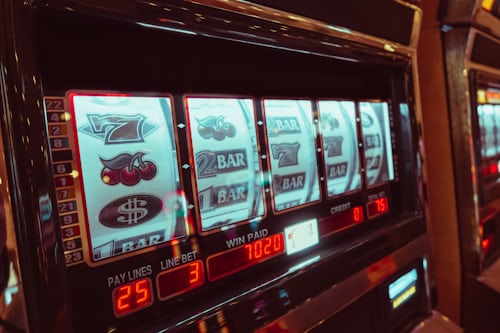
As societies evolved, so did the methods and motivations behind gambling. In ancient China, around 200 BCE, Keno and other lottery-like games emerged, serving not only as entertainment but also as a means to raise funds for public works. This intertwining of gambling with social and economic purposes established its significance across cultures.
Gambling in the Ancient World
The ancient Greeks and Romans played a crucial role in the evolution of gambling practices. In Greece, betting on sporting events was common, and competitions such as the Olympic Games attracted significant wagers. The Romans took gambling a step further by introducing games of chance in public venues, such as dice games and betting on chariot races, showcasing the growing popularity of these activities. The importance of casino games in social gatherings is still evident today.
These forms of gambling reflected societal values and norms, with legal frameworks gradually emerging to regulate the activities. The presence of gambling in public life not only entertained the masses but also sparked debates about morality and the implications of risk-taking behavior.
The Middle Ages to the Renaissance
During the Middle Ages, gambling faced a complex relationship with the church, often viewed with suspicion and disdain. Despite this, games like cards emerged, leading to the development of more structured forms of gambling. The invention of playing cards in the 14th century brought forth new dynamics, providing a platform for skill and chance to intertwine.
As the Renaissance ignited a spirit of exploration and innovation, gambling flourished. The establishment of public gambling houses in cities like Venice and Paris signaled a cultural shift. These establishments became social hubs where people gathered, further embedding gambling into the fabric of society and influencing the development of modern casino culture.
The Rise of Modern Gambling
The 19th century marked a significant turning point in the evolution of gambling, with the emergence of organized gambling establishments known as casinos. The first official casino, the Casino di Venezia, opened its doors in 1638, but it was during the 1800s that casinos proliferated across Europe and the United States. The introduction of games such as roulette and baccarat offered structured, thrilling experiences to players.
As laws regulating gambling began to take shape, the industry became more organized. This period also saw the birth of lotteries as a means of raising funds for government projects, further solidifying gambling’s place in modern economies. The accessibility of gambling increased, leading to debates about addiction and regulation that continue today.

Gambling in the Digital Age
Today, gambling has undergone a remarkable transformation with the advent of the internet. Online casinos and gaming platforms have made it possible for players to access a wide range of games from the comfort of their homes. This shift has not only democratized gambling but also created a global community of players, with various forms of betting available at the click of a button.
The rise of mobile gaming has further changed the landscape, allowing users to engage in gambling activities anytime and anywhere. Additionally, innovations like live dealer games and virtual reality experiences have added depth to the online gambling experience, enticing new generations of players while also raising questions about regulation and responsible gambling practices.